
TECHNICAL INSIGHTS | NOVEMBER 6, 2026
How to Choose the Right LED Light Guide for High-Density PCB Designs
Smarter LED Indication Starts with the Right Light Guide!
As electronic devices become smaller and more integrated, engineers face an important challenge: how to arrange multiple LED indicators in limited PCB space while maintaining clear visibility and reliable performance.
At TOPTEN TECH GROUP, our LED light guides and light pipes help transmit light from PCB-mounted LEDs to visible positions on equipment panels, supporting compact and efficient indicator designs.
From single-channel light pipes to high-density multi-channel configurations, choosing the right light guide can make a significant difference in your electronic design.
1. Match the Light Guide to Your LED Package
Choosing the right LED light guide starts with understanding the LED package and its position on the PCB.
Common SMD LED packages include:
- 0603 LEDs
- 0805 LEDs
- 1206 LEDs
- 2835 LEDs
The distance between the LED and the light guide, as well as their optical alignment, directly affects light transmission and indicator brightness.
TOPTEN offers LED light guide solutions designed for different LED packages and PCB layouts, helping engineers achieve efficient optical coupling in compact electronic assemblies.
2. Choose the Right Channel Count and Pitch
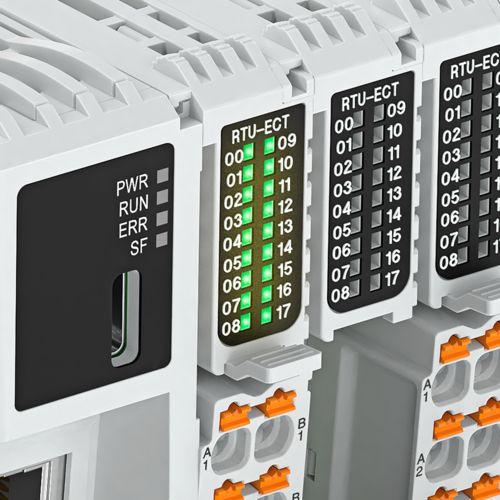
In modern industrial electronics, PCB space is valuable. Multiple status indicators often need to fit into compact control modules, communication devices, and electronic interfaces.
Multi-channel LED light guides provide an efficient solution by combining multiple optical paths into a single component.
TOPTEN offers different configurations, including:
TAC11 Series — Compact four-channel light guide solutions.
TAG11 Series — Six-channel configurations for high-density indicator arrangements.
TAD12 Series — Multi-channel light guide solutions for applications requiring more indicator positions.
With options including 2.54 mm and 5.08 mm pitch configurations, engineers can select a suitable arrangement according to PCB space, LED positioning, and front-panel requirements.
3. Reduce Optical Crosstalk Between LED Channels
When multiple LEDs are positioned close together, light from one indicator can interfere with adjacent channels.
This phenomenon, known as optical crosstalk, may cause neighboring indicators to appear illuminated even when their corresponding LEDs are off.
For industrial equipment, clear status indication is essential.
TOPTEN's multi-channel light guide solutions incorporate independent optical channel structures designed to reduce unwanted light interference.
- Clearer separation between adjacent indicators
- Improved visual identification of LED status signals
- Suitable for compact and high-density PCB layouts
These features are particularly valuable in PLC modules, industrial controllers, networking equipment, and electronic monitoring systems.
4. Consider Mounting Stability and PCB Tolerances
A reliable LED light guide should provide not only efficient optical transmission but also secure mechanical installation.
During PCB assembly, dimensional tolerances and alignment differences can affect the positioning and stability of light guide components.
TOPTEN offers mounting-oriented structural designs, including tolerance-compensating pins and reinforced mounting legs in selected product series.
These features help support:
- Secure PCB installation
- Improved mechanical stability
- More consistent component positioning
- Practical assembly and installation requirements
Selecting an appropriate mounting structure can help engineers simplify assembly and improve the reliability of the finished electronic product.
5. Select Suitable Materials for Industrial Applications
Material selection is another important factor in LED light guide design.
For many industrial applications, optical performance must be balanced with mechanical strength, temperature resistance, and environmental compatibility.
Depending on the product configuration, TOPTEN light guide solutions use engineering materials such as:
- Transparent PC: For optical light transmission
- Black PA66: For opaque shielding and structural components
- White PC+ABS: For selected supporting and housing structures
Our light guide solutions are developed for use in industrial electronic equipment where stable performance and consistent indication are important.
Product-specific material characteristics and operating conditions should always be considered during selection.
Where Are High-Density LED Light Guides Used?
TOPTEN LED light guides and light pipes support a wide range of electronic applications:
- Industrial Automation & Control
- PLC & I/O Modules
- Industrial Ethernet & Networking Equipment
- Power Supplies & Electronic Devices
- Test & Measurement Instruments
- Embedded Systems & Electronic Interfaces
- Custom LED Indication Solutions
Whether your design requires a single indicator or multiple closely spaced LED channels, the right light guide can help improve visibility while making efficient use of PCB space.
Find the Right LED Light Guide with TOPTEN
At TOPTEN TECH GROUP, we understand that every PCB design has different optical, mechanical, and space requirements.
Our standard and customized LED light guide solutions help engineers integrate clear and reliable status indication into their electronic products.
We also support customers with free product samples, optical demonstration devices, and custom design discussions to assist with product evaluation and development.
Explore Our LED Light Guide Solutions
Looking for a compact LED light pipe, a high-density multi-channel light guide, or a customized solution for your next electronic project?
Explore TOPTEN Products →Make Every Signal Clear. Make Every Design Count.
© 2026 TOPTEN TECH GROUP | LED Light Guides & Light Pipes